






 Game Info
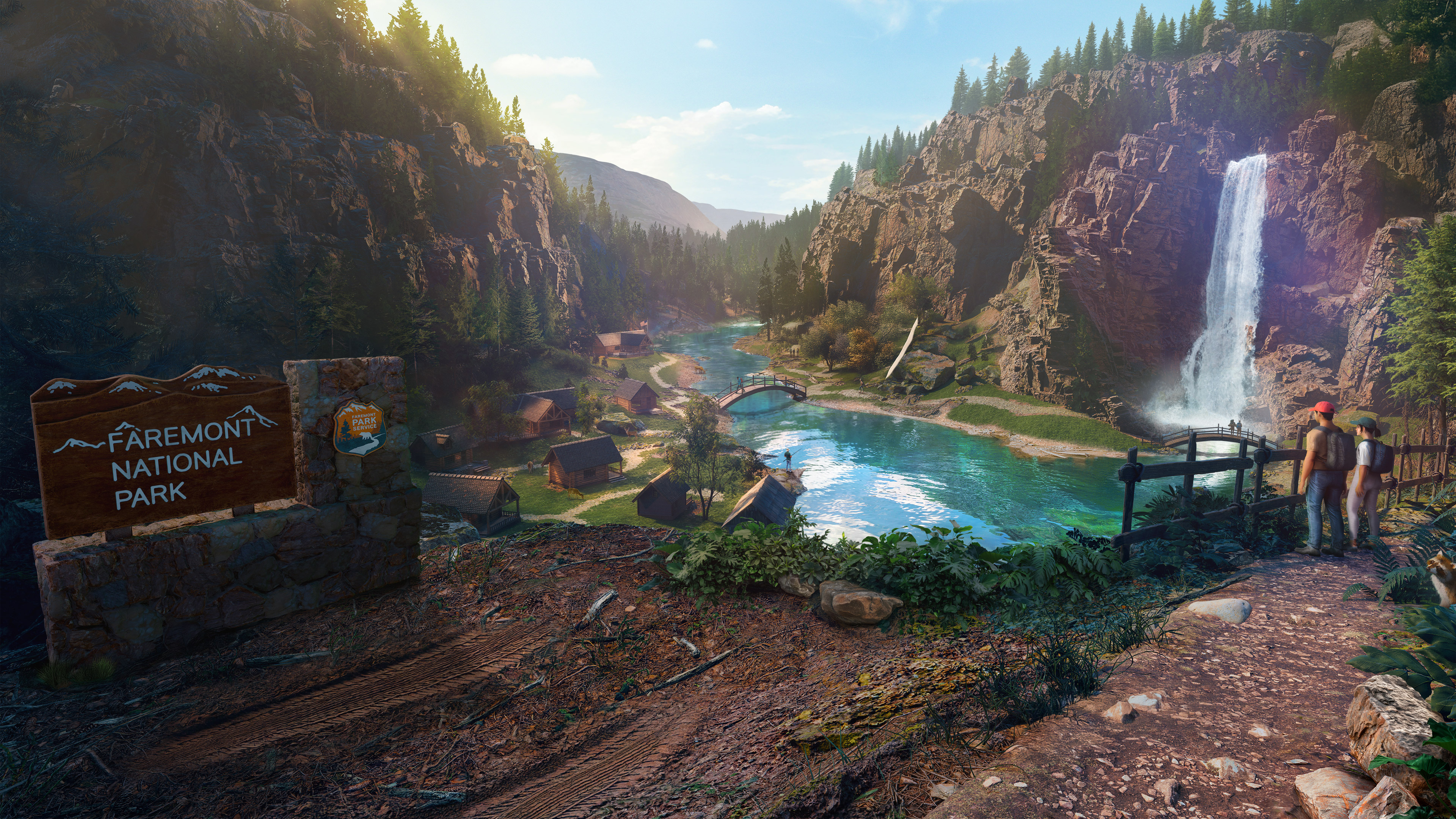
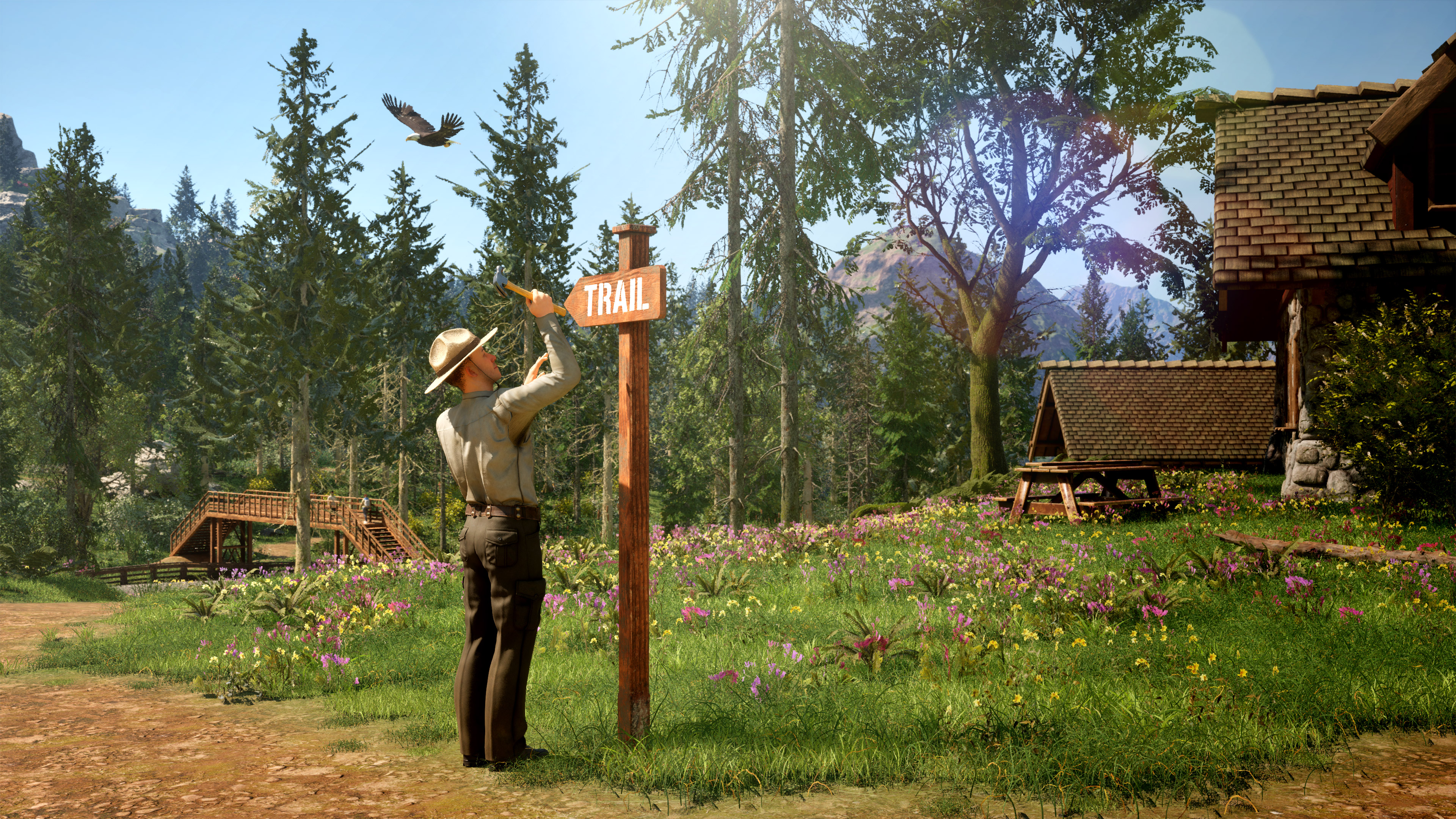
In Ranger’s Path: National Park Simulator, you take on the everyday responsibilities of a real park ranger in the stunning Faremont National Park. Restore and maintain scenic trails, assist visitors, and document wildlife in a living, breathing ecosystem.
You’ll clear blocked paths, care for local flora, fix broken signs, step in when park rules are broken and take on larger assignments across the park – and occasionally drop everything to respond to urgent wildlife sightings or missing hikers. Each day brings new tasks and surprises.
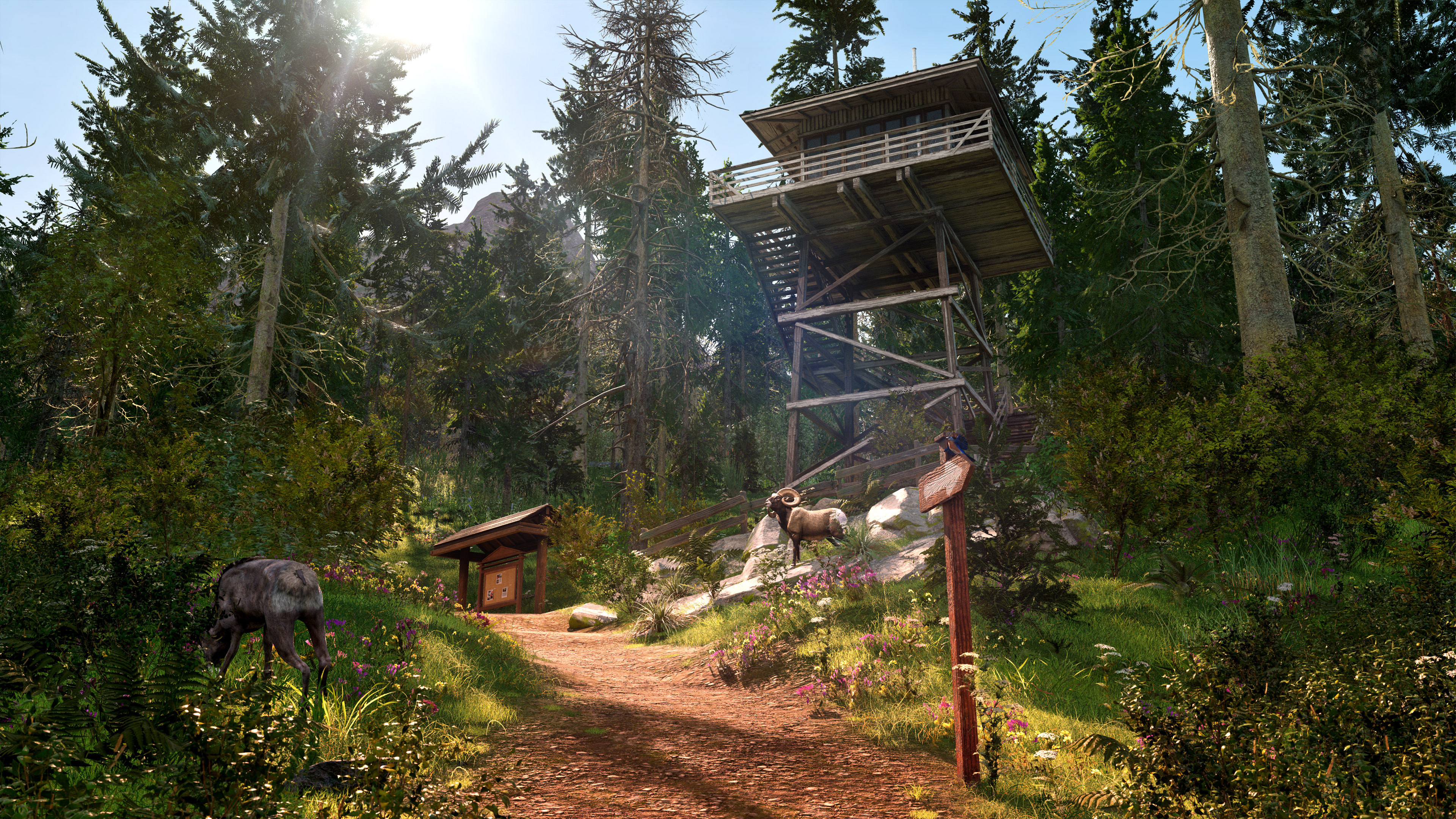
Faremont’s diverse biomes range from dense forests and meadows to winding rivers. With your ranger vehicles, you’ll cover long distances along the park’s road network, reaching remote areas filled with natural landmarks like waterfalls, rock formations, and scenic viewpoints.
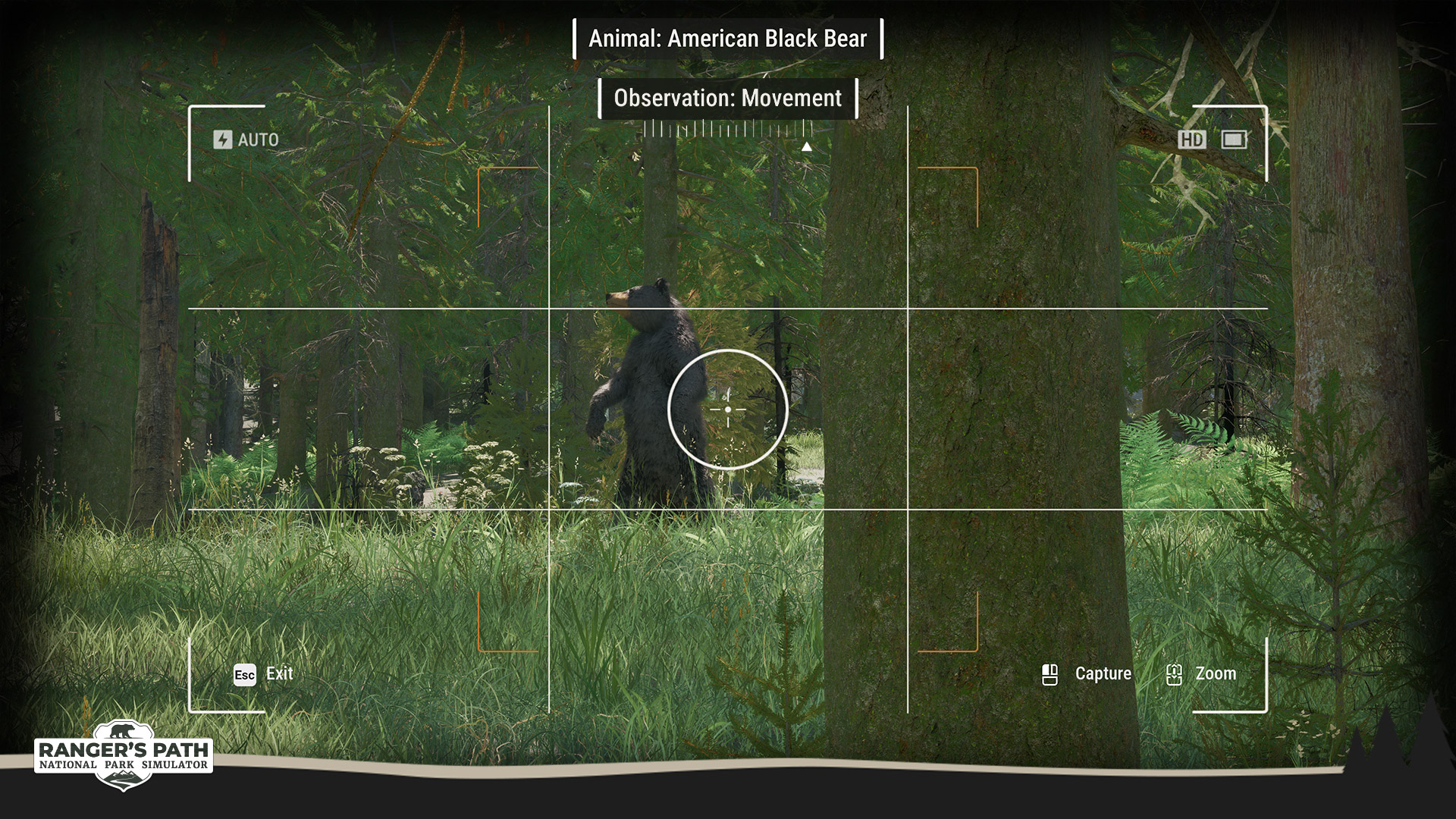
As you explore, use your camera to observe animal behavior and expand your personal wildlife lexicon. From elusive wolves and majestic eagles to mischievous raccoons, each species adds life to the park’s biological habitat.
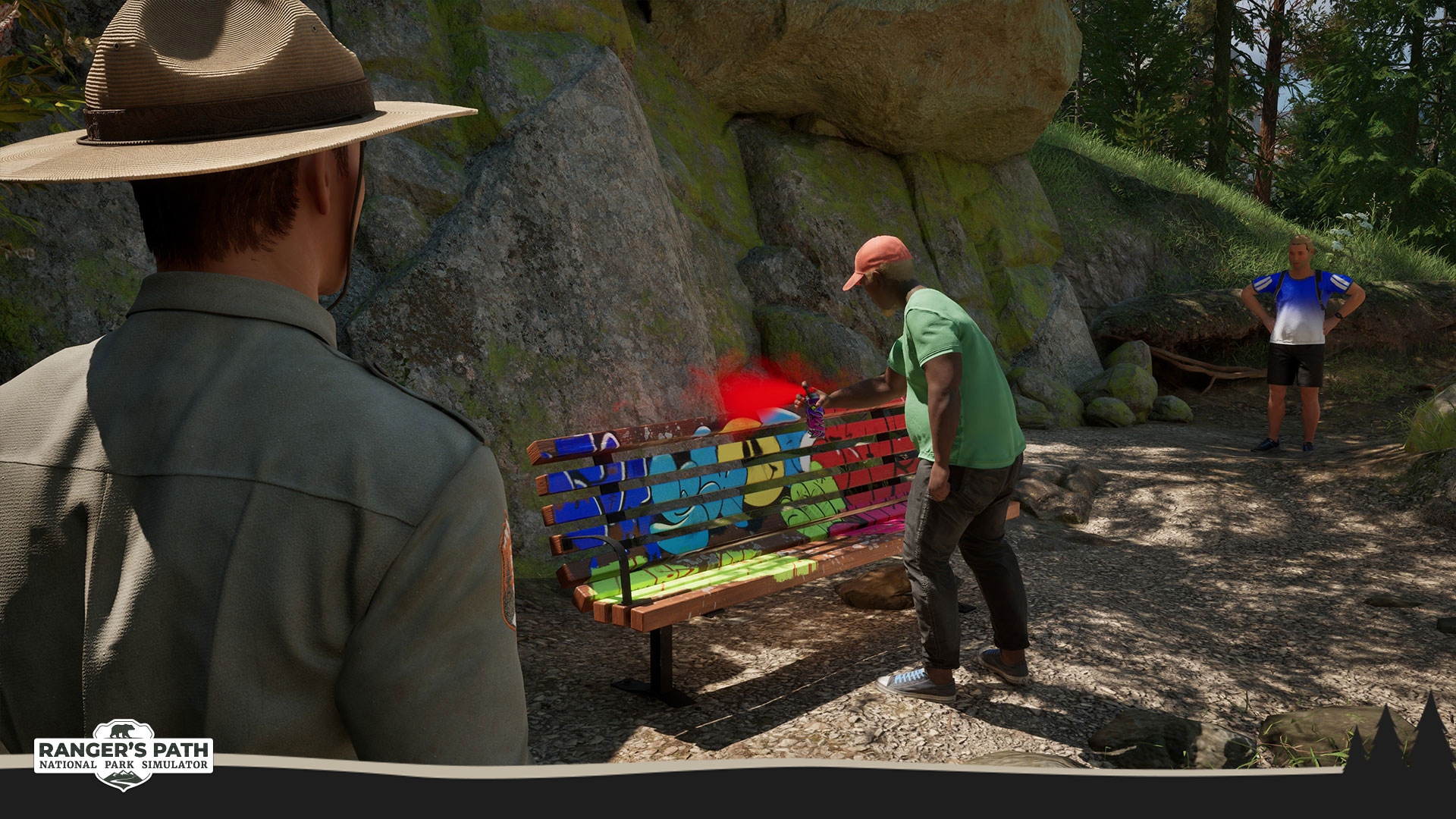
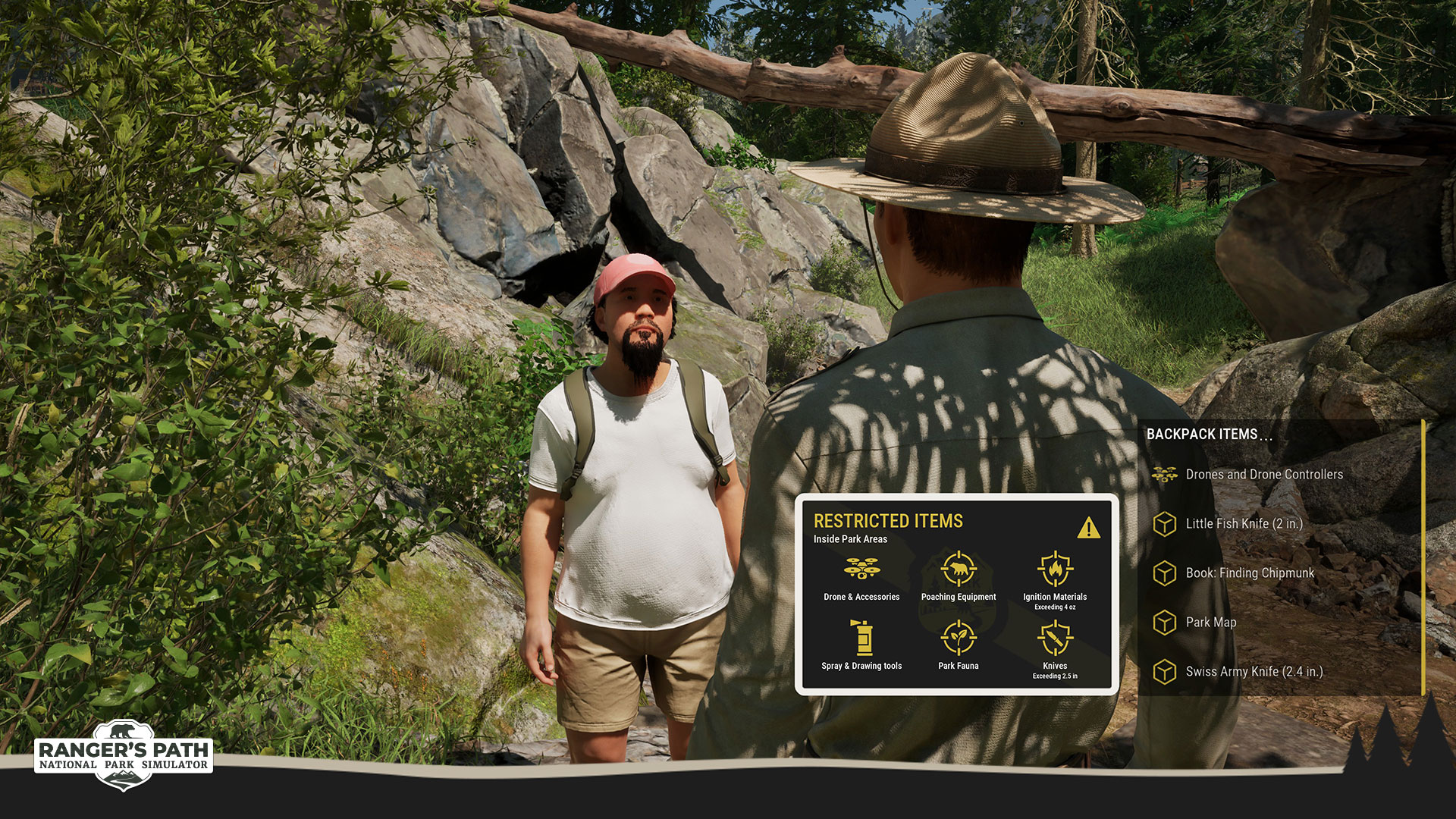
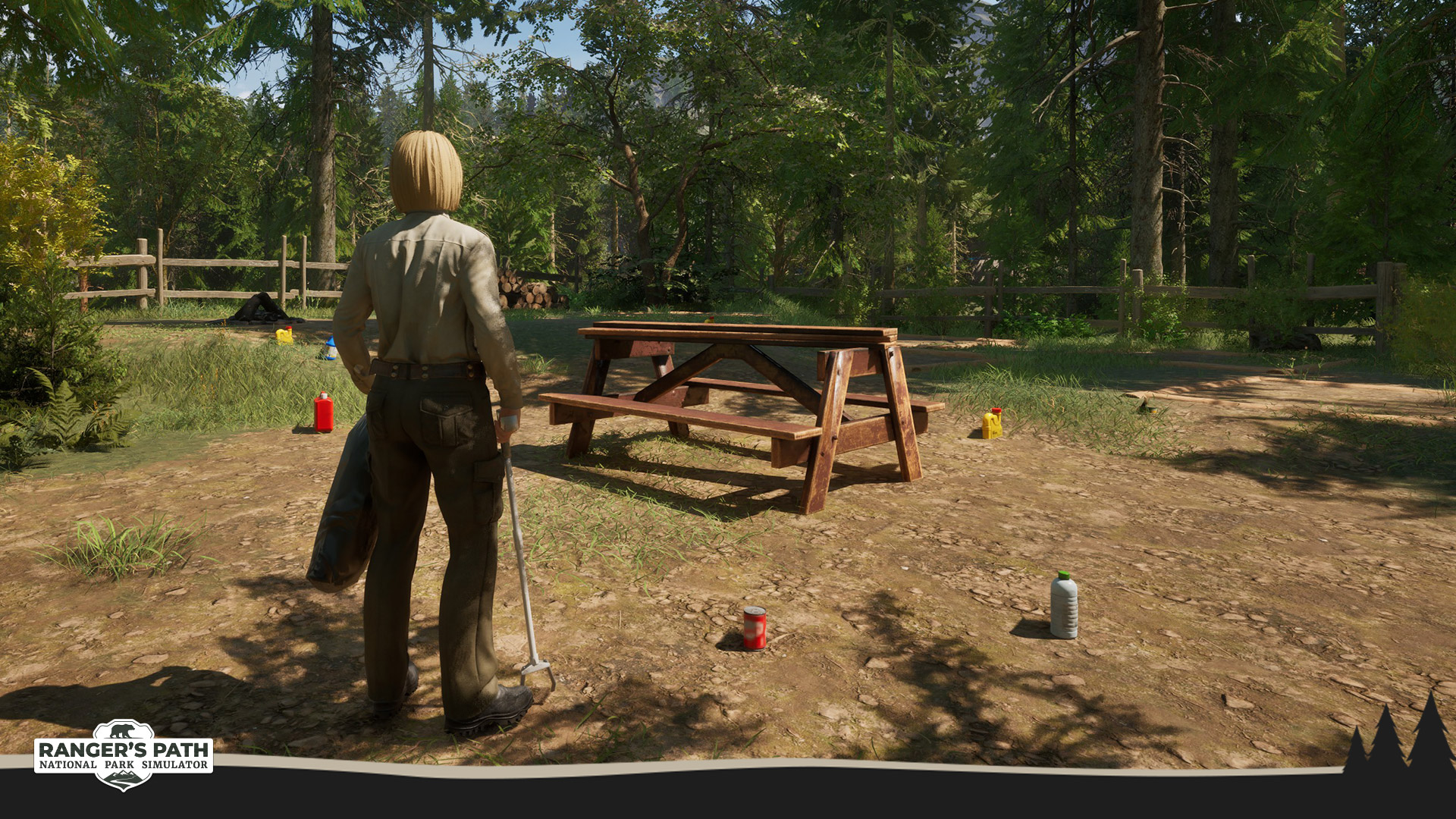
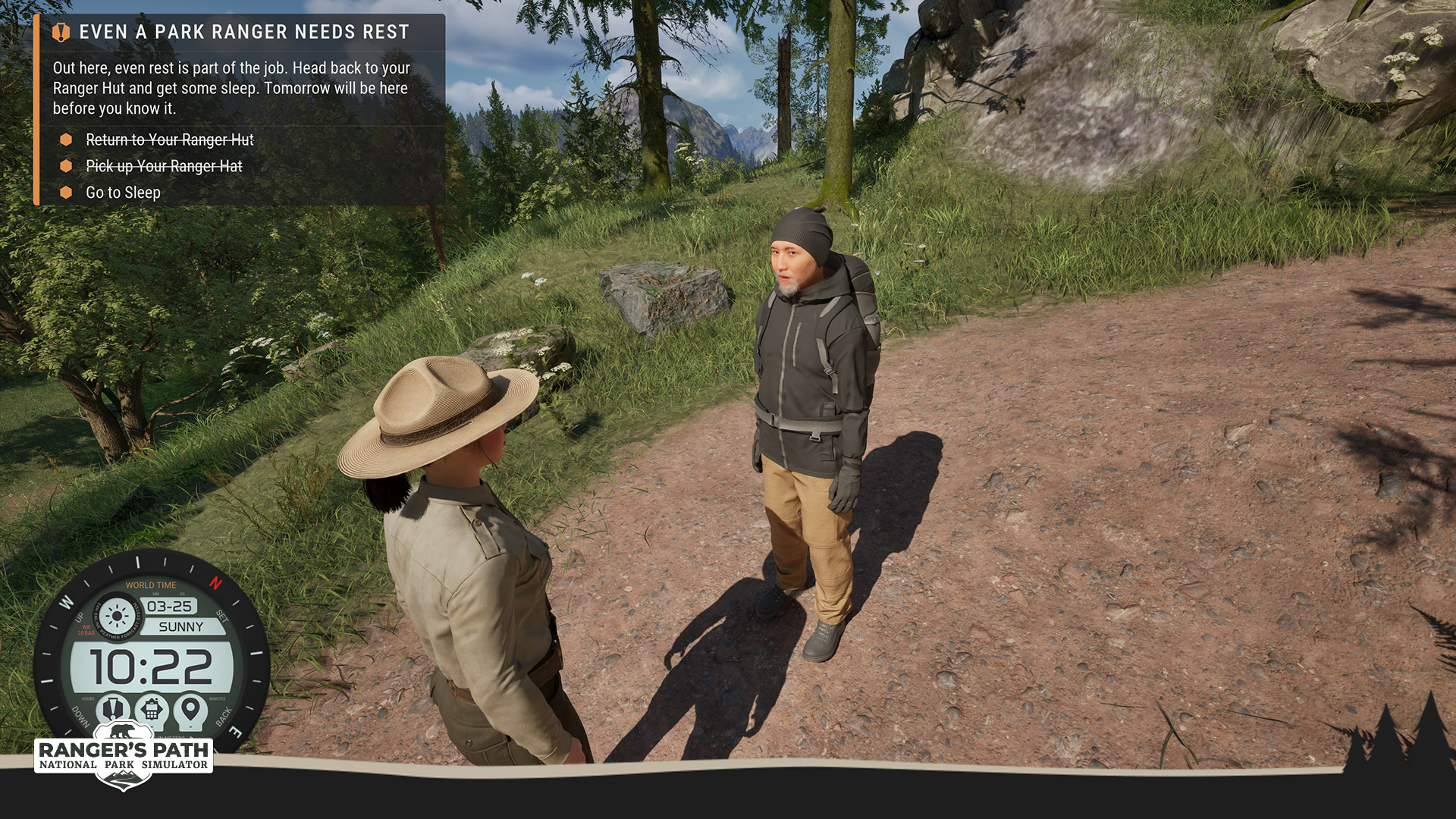
But your job isn’t just about nature – it’s also about people. You’ll guide campers, check permits, respond to emergencies, and investigate unusual behavior. Handle incidents such as illegal drone flights, vandalism, or poaching, and search backpacks for prohibited items to keep the park welcoming and safe.
Take on additional ranger duties such as inspecting plant health, marking or removing damaged flora, restocking supplies across the park, and transporting materials between locations. Track your impact through a park review system that reflects how well you maintain different areas and unlock new missions and items within your park.
Put on your ranger hat and begin your journey today in Ranger’s Path: National Park Simulator.







 Features
Trailer
Features
Trailer








Subscribe to our newsletter to get the latest news of Ranger’s Path: National Park Simulator right in your inbox. Please note that you have to confirm your subscription before receiving our newsletter.
Here’s a concise essay interpreting and expanding on the phrase "chriss jay do you again original mix master hot."
Taken together, the phrase can be seen as a snapshot of contemporary music culture: an artist’s identity (Chriss Jay), the recursive creative act ("do you again"), the technical craft ("original mix master"), and the marketplace verdict ("hot"). It maps the lifecycle of a track from conception to consumption and highlights how production, persona, and promotion intertwine. chriss jay do you again original mix master hot
The phrase "Chriss Jay do you again original mix master hot" appears at first as a string of fragments from music culture—names, remix terminology, and promotional adjectives—but it also suggests a narrative about creativity, identity, and the remix-driven dynamics of contemporary music. Read as a title, it evokes a DJ or producer persona (Chriss Jay), an imperative or question ("do you again"), and technical labels ("original mix," "master") alongside a sensory appraisal ("hot"). Together these elements illuminate how modern music is made, marketed, and experienced. Here’s a concise essay interpreting and expanding on
"Original mix" and "master" are technical markers with cultural weight. The "original mix" denotes the artist’s primary version before edits, edits that might tailor a track for radio, clubs, or streaming playlists. The "master" is the final polished form intended for distribution. These terms underscore the processes behind recorded music: creation, refinement, and presentation. They emphasize that what listeners consume is the product of deliberate technical choices—arrangement, equalization, loudness—all aiming to maximize emotional and physical impact. Read as a title, it evokes a DJ
"Do you again" reads like an appeal to repetition and reinvention. Music thrives on revisiting motifs—hooks are repeated to create familiarity; producers sample and loop to build new textures from old material. The phrase could be interpreted as a request to recreate a past feeling or a challenge to the artist to rework their signature sound. It captures the tension between expectation and novelty: audiences crave the recognizable while also desiring fresh surprises.
At the center is the figure of Chriss Jay, who functions as both artist and brand. In electronic and popular music scenes, artists often craft identities that are part name, part performance. That identity is flexible: one night’s live set becomes another night’s studio production; a vocal hook can be re-contextualized across remixes. The name signals authorship and intent—fans expect Chriss Jay’s aesthetic, whether energetic club bangers or introspective downtempo pieces.