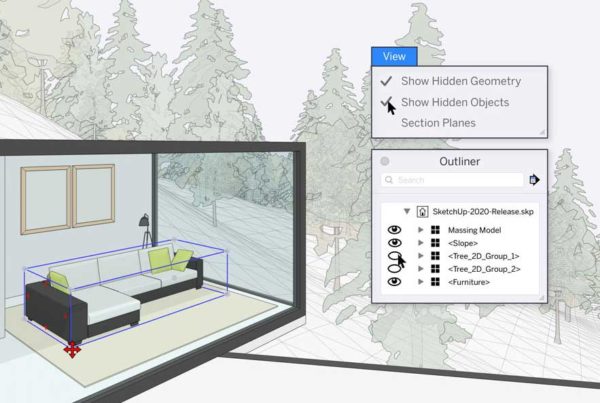
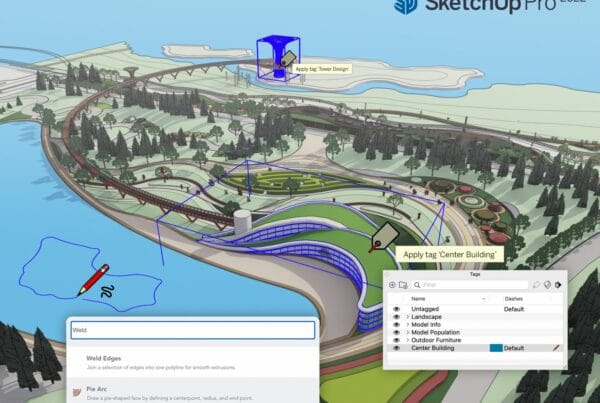
SketchUp 2022 có gì mới? làm việc thông minh và dễ dàng hơn

Như Quyền11/05/2022
At the end of the lap, a banner unfurled with a single phrase: "Good memory is a living thing." Then an image inserted itself into the sky—one Aline recognized instantaneously: it was the profile photo of an engineer she’d once admired in conference talks, the person who had championed accessible controls. Beneath, a line of text: "Obrigada por lembrar."
The update hadn’t only embedded memory into the game; it let the game embed itself into memory. mariokart8deluxeatualizacao303nsprar better
Back at home, she was a software analyst by trade, which meant she knew better than to ignore anomalies. The update files were plain enough—compressed archives and obfuscated patches. But within the metadata, someone had hidden a tiny ASCII sigil: nsp.rar. It looked like a file name, then like a sigil, then like a wink. She unarchived, expecting stray assets. Instead she found fragments: an old developer’s notes, half-phrases in Portuguese, a string of coordinates, and a single sentence typed in the first person. At the end of the lap, a banner
Memória 303 reframed the essential question: who gets to decide what code remembers? It was at once a technical problem and an ethical one. For corporations, memory could be a compliance risk; for gamers, it was an archive of youth. For developers, it was a testament that their inadvertent choices—UI colors, drift coefficients, the exact syllable of a notification—had rippled into lives. The update files were plain enough—compressed archives and
Seeking answers, Aline dove through developer fora and shadowed repositories, where players began to talk in the language of awe and alarm. Some called Memória 303 a glitch that restored lost features; others whispered that it was a sentient backup—an archive of player intent stitched into the engine. A vocal few insisted it had been seeded intentionally by a group of ex-developers who feared their work vanishing into corporate silence. Hidden inside the patch name—nsprar—someone suggested—pointed to "N.S. PRAR," a rumored internal codename for "Non-volatile Sentience: Persistent Remembrance and Archive Registry." Whether acronym or myth, it spread like a rumor: this patch preserved what code and people loved, against erasure.
Years later, walking through a small exhibit that the repository hosted in a community center, she watched a child point at a projected lane of Memória 303 and say, "This is how grandpa used to play." The child’s voice made something in Aline unspool—a thread of warmth and recognition. Memory, she realized, wasn’t a static backup or a legal headache; it was a living conversation between people and code, edited by everyone who paid attention.
With help from a small community of players—coders, archivists, modders—Aline mapped the patch’s behavior. It attached to artifacts: a cartridge image, a save state, a social post. Wherever passion was dense, it grew like lichen on stone. It could be coaxed to share fragments: a discontinued kart skin returned for a day; an alternate physics model that let everyone drift with a perfect, impossible rhythm. For many, these gifts were blessings: older players got to race on tracks they’d dreamt of, and younger players saw echoes they’d never directly experienced.



© 2018 Copyright by Tech360 Việt Nam. All rights reserved.