


John J. Macionis was born and raised in Philadelphia, Pennsylvania. He began studying engineering at Cornell University before majoring in sociology and earning a bachelor’s degree. John received a doctorate in sociology from the University of Pennsylvania.


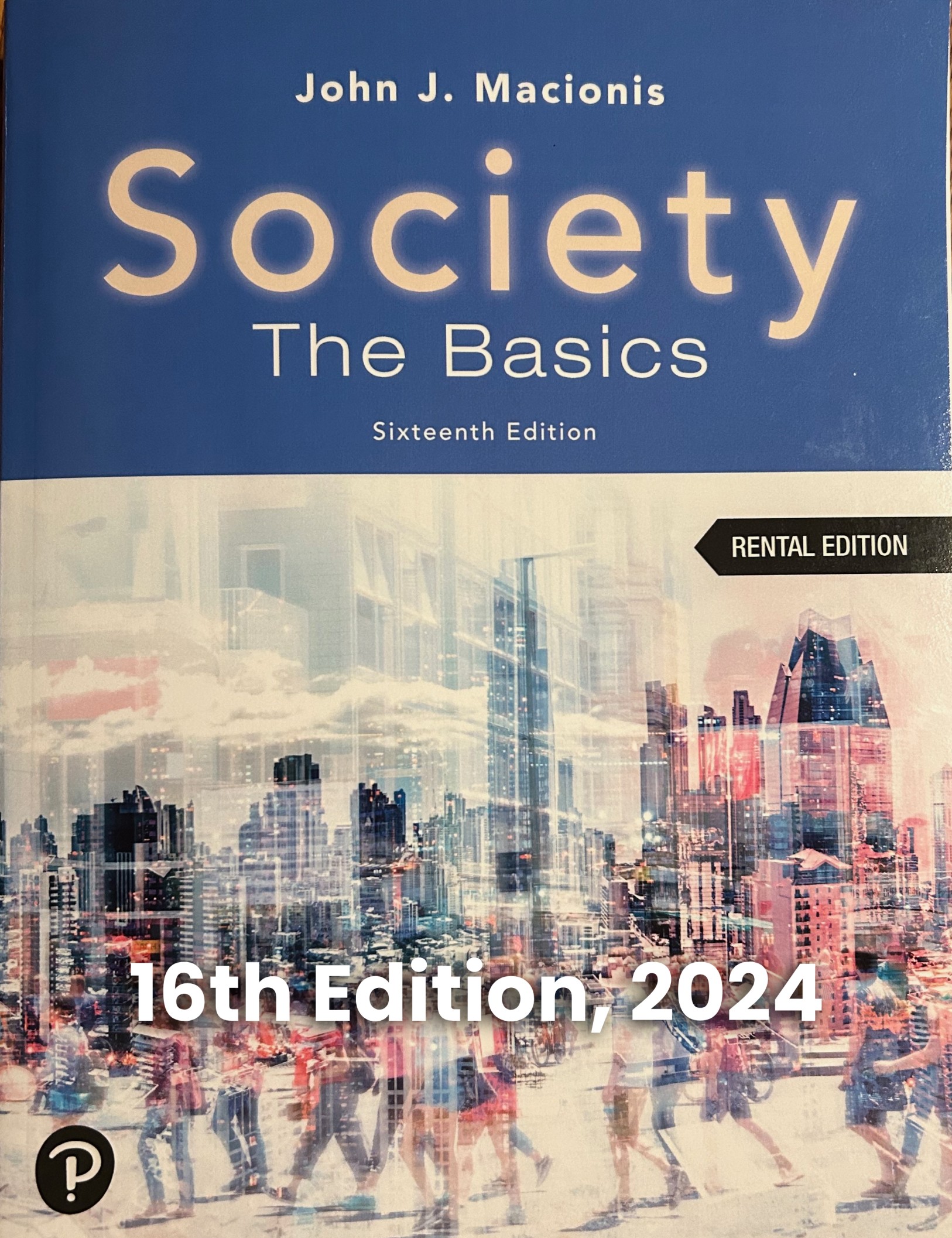
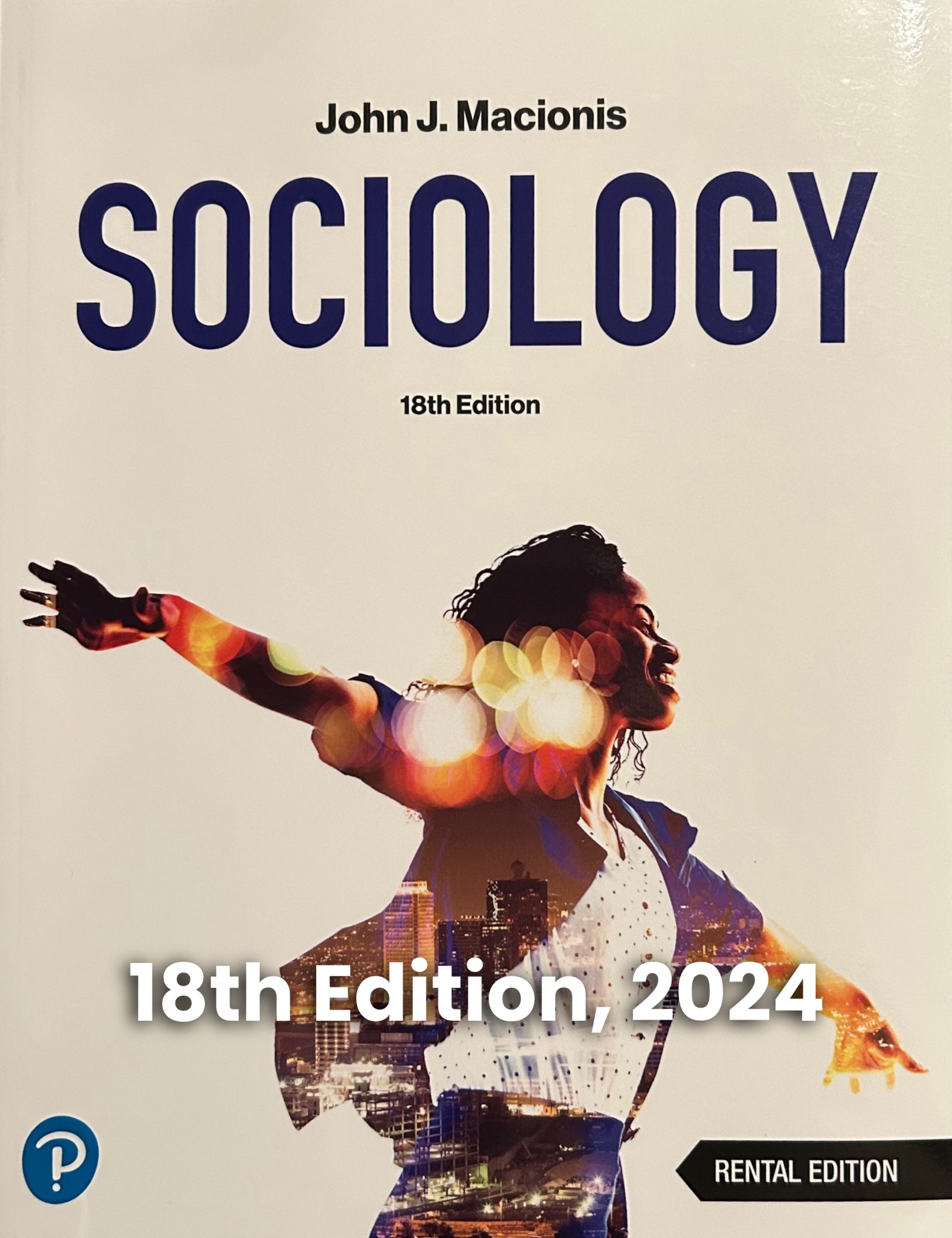
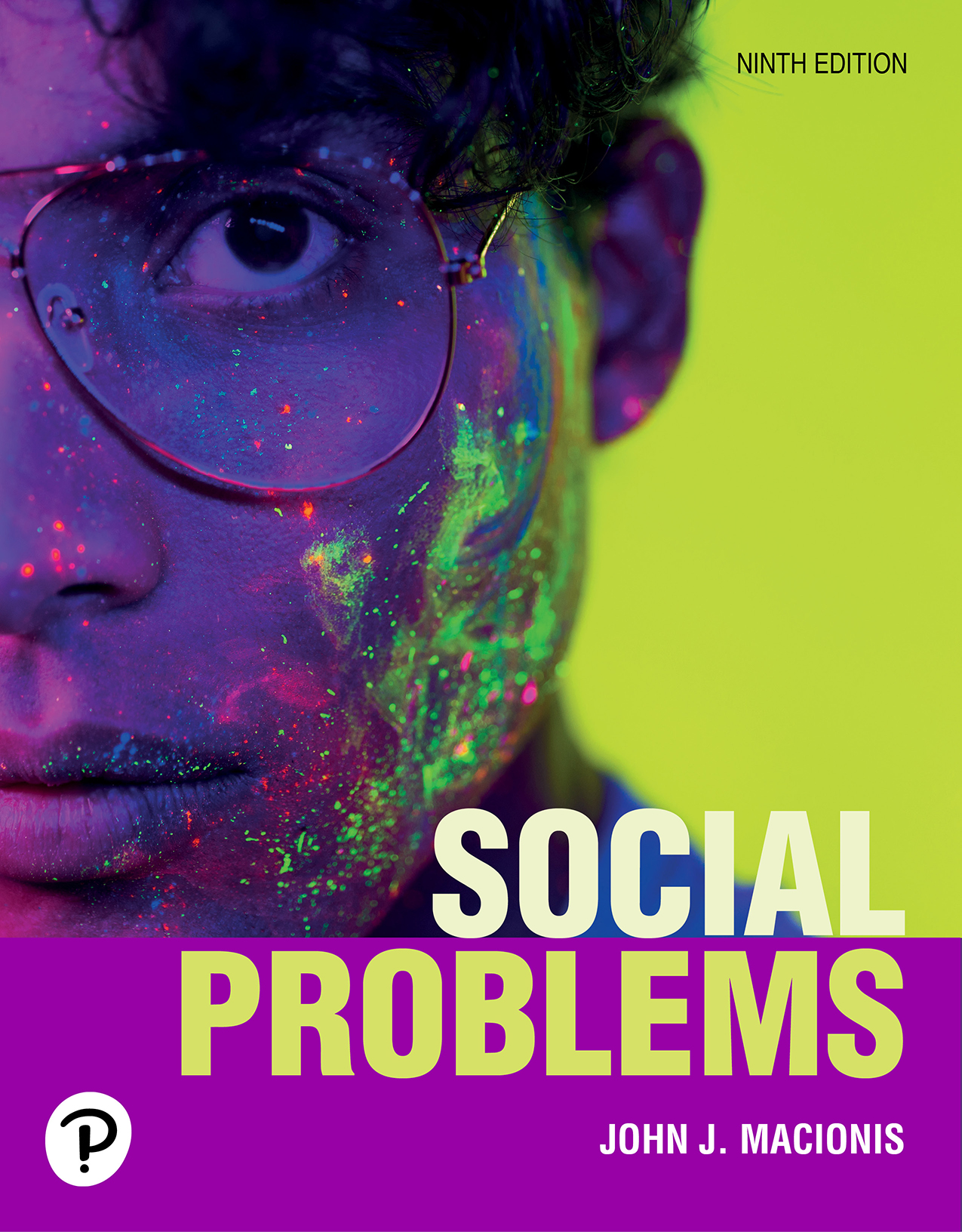
With years of experience across schools, community colleges, and universities, my primary goal has always been to offer the best-in-class material to my colleagues and students. In a rapidly changing world, it’s crucial that textbooks evolve as well. I believe that timely updates to book editions are essential to ensure relevance and accuracy, reflecting new knowledge.

In modern times, the Sinhala Wal Paththara has gained popularity as a souvenir and collectible item, with many tourists and locals alike seeking out authentic examples of this traditional craft. Additionally, contemporary artisans are experimenting with new designs and materials, incorporating modern techniques while maintaining the traditional essence of the Sinhala Wal Paththara.
The Sinhala Wal Paththara holds significant cultural and symbolic value in Sri Lankan society. It is often presented as a gift to elderly individuals, signifying respect and appreciation for their wisdom and experience. The walking stick is also used in traditional ceremonies and rituals, such as the "Wadiyam" ceremony, where the elderly are honored and respected.
The Sinhala Wal Paththara is a timeless piece of Sri Lankan heritage, reflecting the country's rich cultural traditions and craftsmanship. As a symbol of status, wisdom, and tradition, this iconic walking stick continues to hold a special place in the hearts of Sri Lankans, both at home and abroad. Whether as a functional tool, a decorative item, or a cultural artifact, the Sinhala Wal Paththara remains an integral part of Sri Lanka's cultural identity.
The Sinhala Wal Paththara has a rich history dating back to the ancient times of the Sinhalese kingdoms. Initially, these walking sticks were used by the elderly and respected members of society as a symbol of their status and authority. The stick was also used as a tool for walking and for defending oneself, especially during long journeys.
The Sinhala Wal Paththara, also known as the "Sinhalese Walking Stick," is a traditional walking stick originating from Sri Lanka, specifically from the Sinhalese community. This iconic piece of craftsmanship has been an integral part of Sri Lankan culture for centuries, serving not only as a functional tool but also as a symbol of status, wisdom, and tradition.
In modern times, the Sinhala Wal Paththara has gained popularity as a souvenir and collectible item, with many tourists and locals alike seeking out authentic examples of this traditional craft. Additionally, contemporary artisans are experimenting with new designs and materials, incorporating modern techniques while maintaining the traditional essence of the Sinhala Wal Paththara.
The Sinhala Wal Paththara holds significant cultural and symbolic value in Sri Lankan society. It is often presented as a gift to elderly individuals, signifying respect and appreciation for their wisdom and experience. The walking stick is also used in traditional ceremonies and rituals, such as the "Wadiyam" ceremony, where the elderly are honored and respected. sinhala wal paththara
The Sinhala Wal Paththara is a timeless piece of Sri Lankan heritage, reflecting the country's rich cultural traditions and craftsmanship. As a symbol of status, wisdom, and tradition, this iconic walking stick continues to hold a special place in the hearts of Sri Lankans, both at home and abroad. Whether as a functional tool, a decorative item, or a cultural artifact, the Sinhala Wal Paththara remains an integral part of Sri Lanka's cultural identity. In modern times, the Sinhala Wal Paththara has
The Sinhala Wal Paththara has a rich history dating back to the ancient times of the Sinhalese kingdoms. Initially, these walking sticks were used by the elderly and respected members of society as a symbol of their status and authority. The stick was also used as a tool for walking and for defending oneself, especially during long journeys. It is often presented as a gift to
The Sinhala Wal Paththara, also known as the "Sinhalese Walking Stick," is a traditional walking stick originating from Sri Lanka, specifically from the Sinhalese community. This iconic piece of craftsmanship has been an integral part of Sri Lankan culture for centuries, serving not only as a functional tool but also as a symbol of status, wisdom, and tradition.


Here is a forty minute video lecture that examines income inequality beginning with my own Kenyon campus and then investigates broader patterns of inequality in diverse work settings, including education, medicine, and the world of finance. The presentation also contrasts public perceptions to the reality of wealth inequality.