Here is the Author Biography

VHDL is a hardware description language used to model digital systems at various levels of abstraction, from the behavioral level down to the gate level. It was first introduced in the 1980s and has since become a widely used standard in the digital system design industry. VHDL allows designers to describe digital systems using a syntax similar to programming languages, making it easier to model and analyze complex digital systems.

The complexity of modern digital systems has increased significantly over the past few decades, driven by advances in semiconductor technology and the growing demand for sophisticated electronic systems. As a result, digital system designers need powerful tools and techniques to model, analyze, and verify their designs. One such tool is VHDL (VHSIC-HDL), a hardware description language used to model and analyze digital systems.

The increasing complexity of digital systems has led to a growing need for efficient and accurate modeling and analysis techniques. This paper provides an overview of the VHDL (VHSIC-HDL) language and its application in the analysis and modeling of digital systems. The paper covers the basics of VHDL, its modeling capabilities, and its use in digital system design. The author, Zainalabedin Navabi, is a renowned expert in the field of digital system design and VHDL.

is a professor of electrical and computer engineering at the University of Tehran, Iran. He received his B.S. degree in electrical engineering from the University of Tehran, his M.S. degree in electrical engineering from the University of California, Los Angeles (UCLA), and his Ph.D. degree in electrical engineering from the University of California, Berkeley. He has over 20 years of experience in digital system design, VHDL, and embedded systems. He is the author of several books on VHDL and digital system design, including "VHDL: Analysis and Modeling of Digital Systems" and "Embedded Systems: Architecture, Programming, and Design". His research interests include digital system design, embedded systems, and computer architecture.

In conclusion, VHDL is a powerful language for the analysis and modeling of digital systems. Its range of modeling and analysis capabilities make it suitable for digital system design, from the behavioral level down to the gate level. As digital systems continue to increase in complexity, VHDL will remain an essential tool for digital system designers.
Vhdl Analysis And Modeling Of Digital Systems Zainalabedin Navabi Pdf //free\\ Now

Design and Run Tests Locally or in the Amazon Cloud

  • Create tests using a browser or a mobile application
  • Remote, distributed and cloud-based testing
  • Server and database performance monitoring
  • Flexible error handling and adjustable pass/fail criteria
  • Charts with instant test results available at run time
  • Customizable test report with over 20 tables
  • Support of all major web development frameworks
Get Demo Version
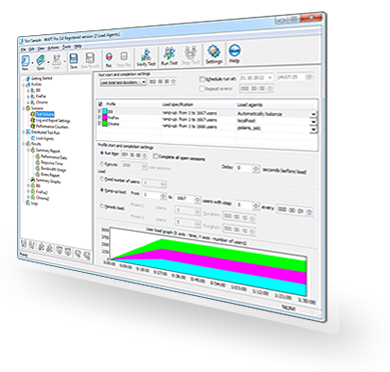
WAPT User Interface

Vhdl Analysis And Modeling Of Digital Systems Zainalabedin Navabi Pdf //free\\ Now

Here is the Author Biography

VHDL is a hardware description language used to model digital systems at various levels of abstraction, from the behavioral level down to the gate level. It was first introduced in the 1980s and has since become a widely used standard in the digital system design industry. VHDL allows designers to describe digital systems using a syntax similar to programming languages, making it easier to model and analyze complex digital systems. Here is the Author Biography VHDL is a

The complexity of modern digital systems has increased significantly over the past few decades, driven by advances in semiconductor technology and the growing demand for sophisticated electronic systems. As a result, digital system designers need powerful tools and techniques to model, analyze, and verify their designs. One such tool is VHDL (VHSIC-HDL), a hardware description language used to model and analyze digital systems. The complexity of modern digital systems has increased

The increasing complexity of digital systems has led to a growing need for efficient and accurate modeling and analysis techniques. This paper provides an overview of the VHDL (VHSIC-HDL) language and its application in the analysis and modeling of digital systems. The paper covers the basics of VHDL, its modeling capabilities, and its use in digital system design. The author, Zainalabedin Navabi, is a renowned expert in the field of digital system design and VHDL. The increasing complexity of digital systems has led

is a professor of electrical and computer engineering at the University of Tehran, Iran. He received his B.S. degree in electrical engineering from the University of Tehran, his M.S. degree in electrical engineering from the University of California, Los Angeles (UCLA), and his Ph.D. degree in electrical engineering from the University of California, Berkeley. He has over 20 years of experience in digital system design, VHDL, and embedded systems. He is the author of several books on VHDL and digital system design, including "VHDL: Analysis and Modeling of Digital Systems" and "Embedded Systems: Architecture, Programming, and Design". His research interests include digital system design, embedded systems, and computer architecture.

In conclusion, VHDL is a powerful language for the analysis and modeling of digital systems. Its range of modeling and analysis capabilities make it suitable for digital system design, from the behavioral level down to the gate level. As digital systems continue to increase in complexity, VHDL will remain an essential tool for digital system designers.

What testing specialists say:

Not your father's testing tool: As a matter of fact, WAPT takes user simulation to a higher level.

- Edmond Woychowsky, CNET Networks

We've been using WAPT and have been quite pleased with the result. Great tool for benchmarking/replay. I have to admit the tool is rock-solid, incredibly performant itself, and delivers dependable, repeatable data.

- John Overbaugh , QA professional

This software has proven invaluable as a means of being able to simulate virtual user load on the new web servers located in our new Data Centre. We are currently in the process of migrating over, and this solution was key for testing how much load our new DC could take in its current setup.

- Aaron Fenwick , Motors.co.uk

Proud to be chosen by
Our Clients